01 · SIMULATE VisuTwin Sim
Deterministic by default.
A C++23 simulation runtime for fields, physics, DEVS and agents, on the CPU or accelerated with CUDA and Metal Compute.
OPEN-SOURCE GPU VISUALIZATION FOR DIGITAL TWINS
Scroll to explore
01 · SIMULATE VisuTwin Sim
A C++23 simulation runtime for fields, physics, DEVS and agents, on the CPU or accelerated with CUDA and Metal Compute.
02 · RENDER VisuTwin Canvas
A physically based real-time renderer on native Metal and Vulkan, built to embed in digital twin and scientific applications.
03 · EMBODY VisuTwin Robotics
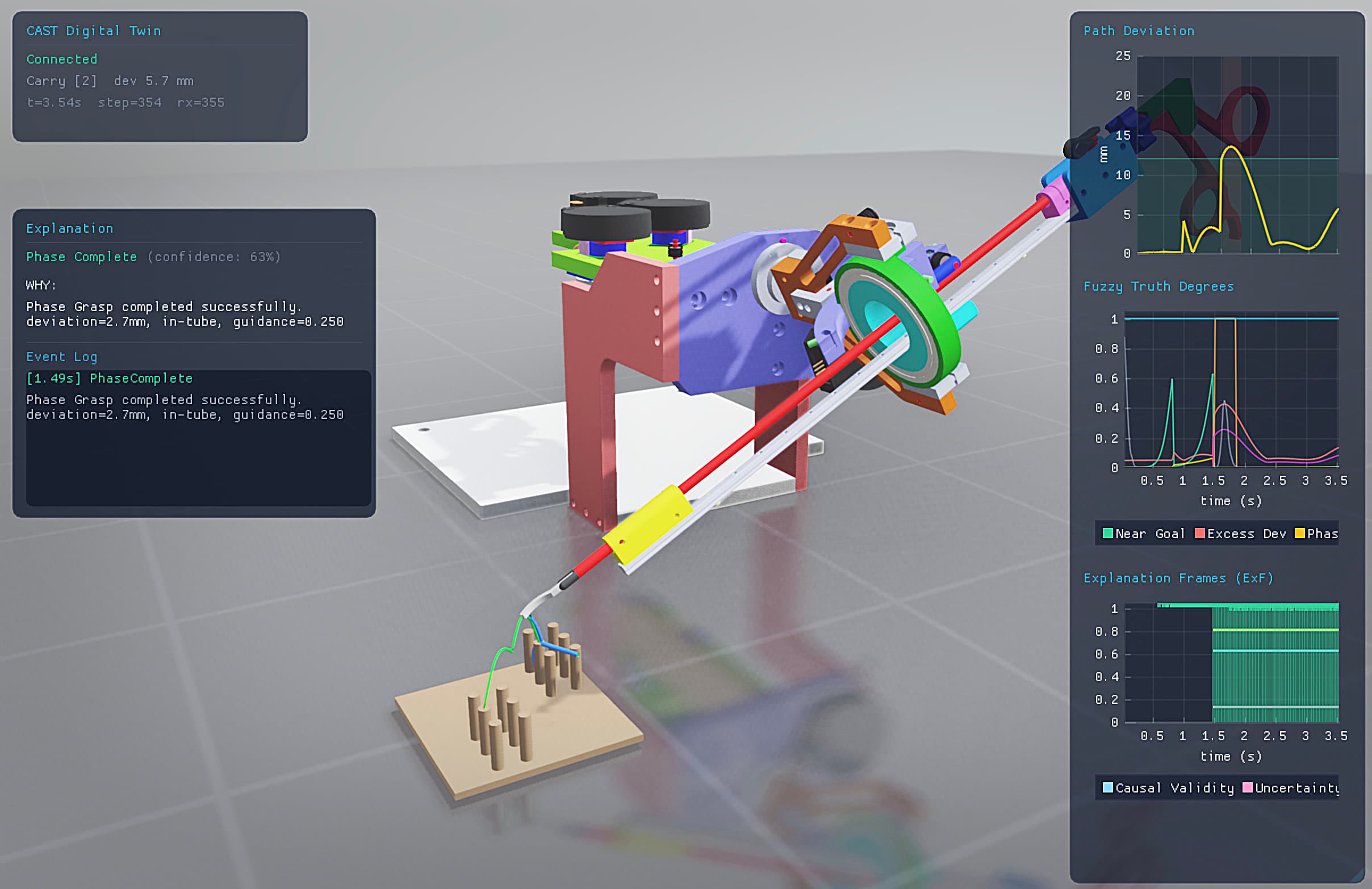
URDF and MuJoCo pipelines with forward kinematics and in-situ data feeds, from surgical instruments to a flying fruit fly.
Three native C++23 projects, one digital twin workflow, from the model to the pixels to the robot.
01 / IN THE CANVAS
Real research. Rendered beautifully.
Recorded simulation · VisuTwin Robotics
A fruit fly simulation rendered in VisuTwin Robotics. Explore the recorded sequence: walking, take-off, a ring flight and landing.
SELECT A WORLD TO EXPLORE ↑C++23 ✳ Metal & Vulkan ✳ Deterministic ✳ Apache 2.0
02 / UNDER THE SURFACE
Purpose-built for demanding worlds.Rendering, simulation, and scientific data belong in the same conversation. VisuTwin Canvas brings them into one native framework.
A C++23 engine with native Metal and Vulkan backends. Physically based forward rendering, clustered lighting, and a composable shader system.
A deterministic fixed-timestep pipeline keeps simulation and visualization synchronized. Designed for digital twins and scientific computing.
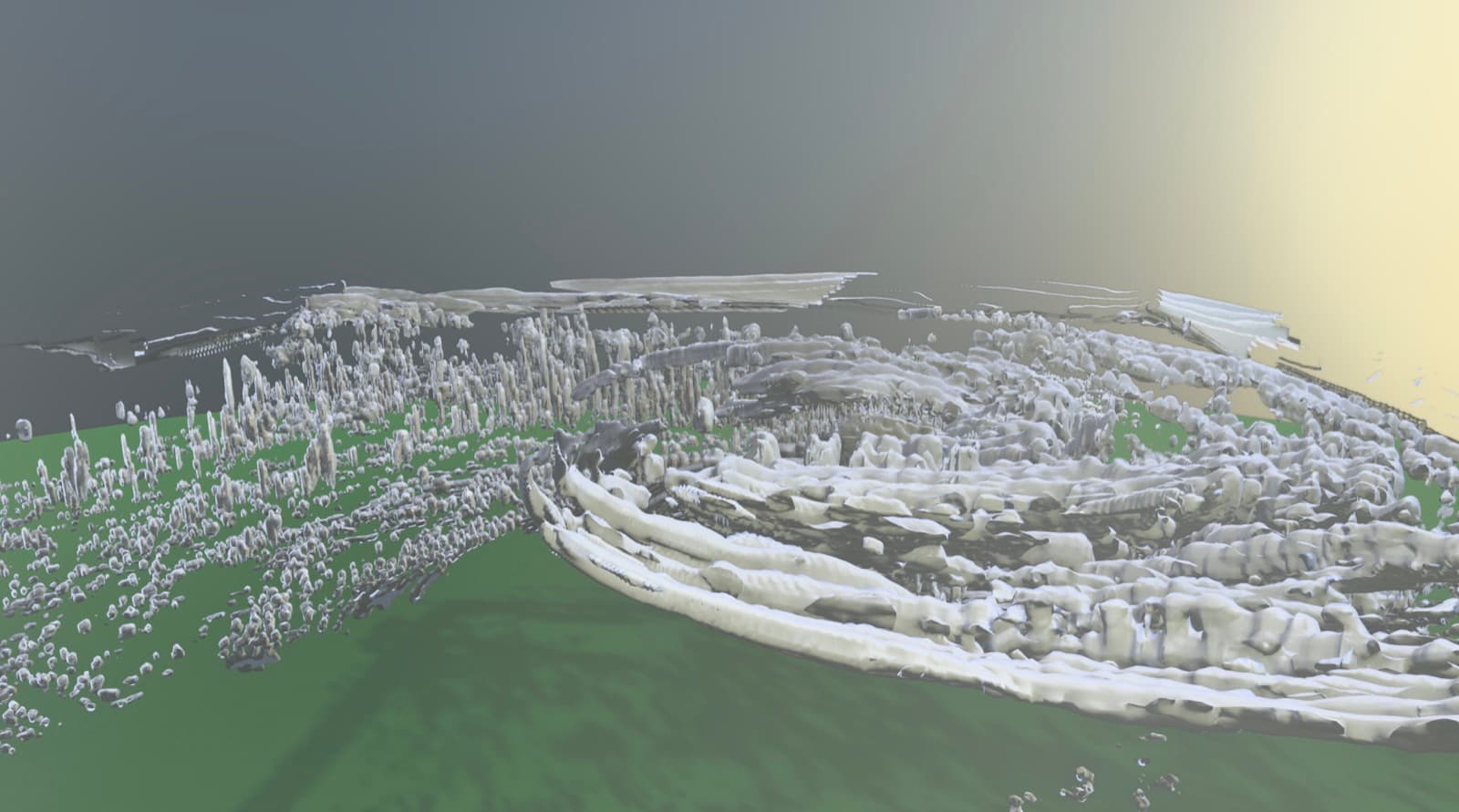
GPU skinning, morph targets, and animation state graphs. Gaussian splatting and GPU-simulated particles extend what you can visualize.
Light & shadowImage-based lighting, reflection probes, LTC area lights, cascaded shadows, EVSM, and PCSS soft shadows.
The finishing layerTAA, SSAO, depth of field, bloom, and color grading with runtime shader overrides.
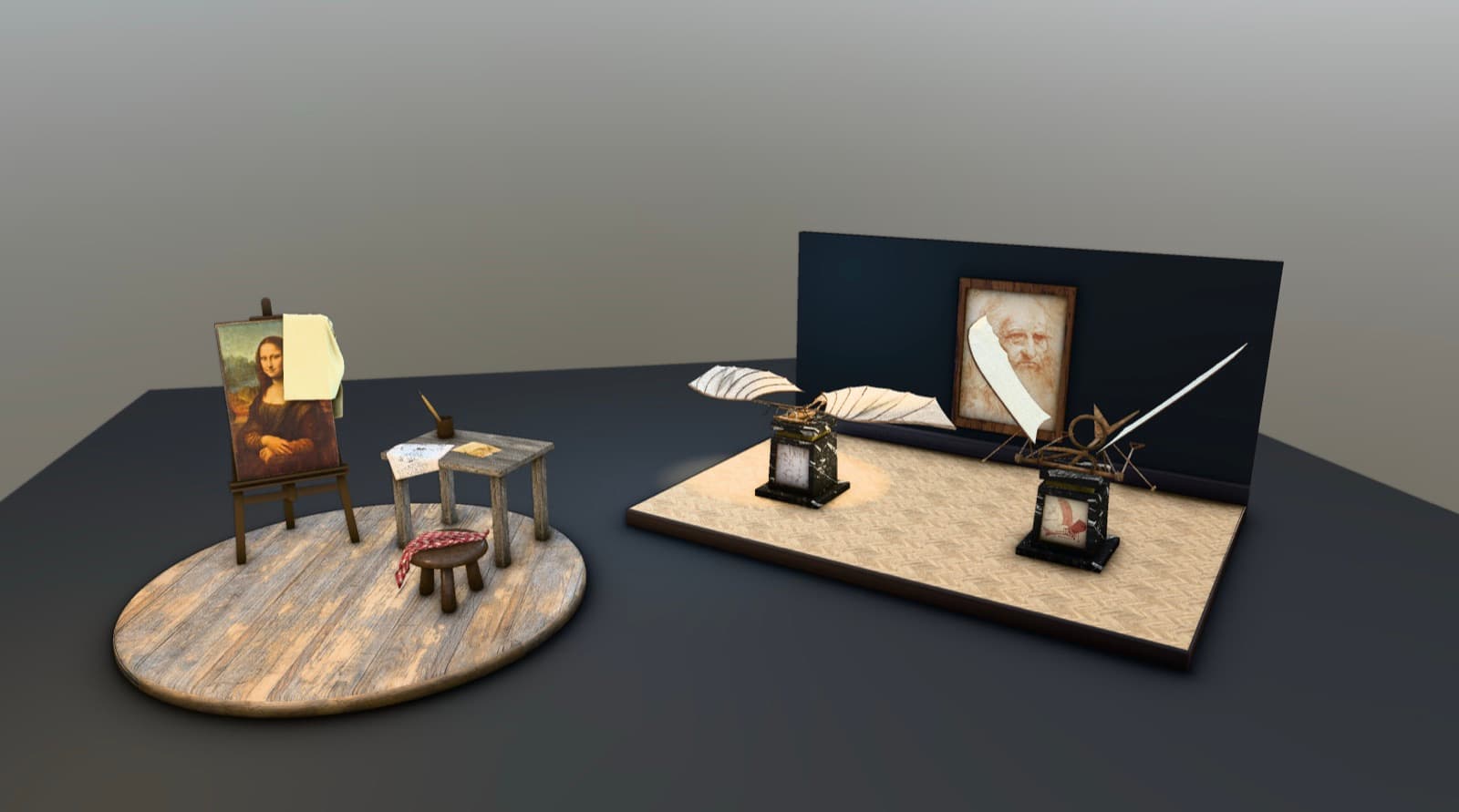
Scene & asset pipelineGLB/glTF loading, Draco compression, and a hybrid ECS + scene graph.
03 / MADE FOR DISCOVERY
An independent, open-source research initiative exploring the intersection of real-time graphics and the physical world.
Let’s collaborate ↗Bring simulation and visualization together with deterministic synchronization.
Reveal structure in complex data through multi-modal visualization.
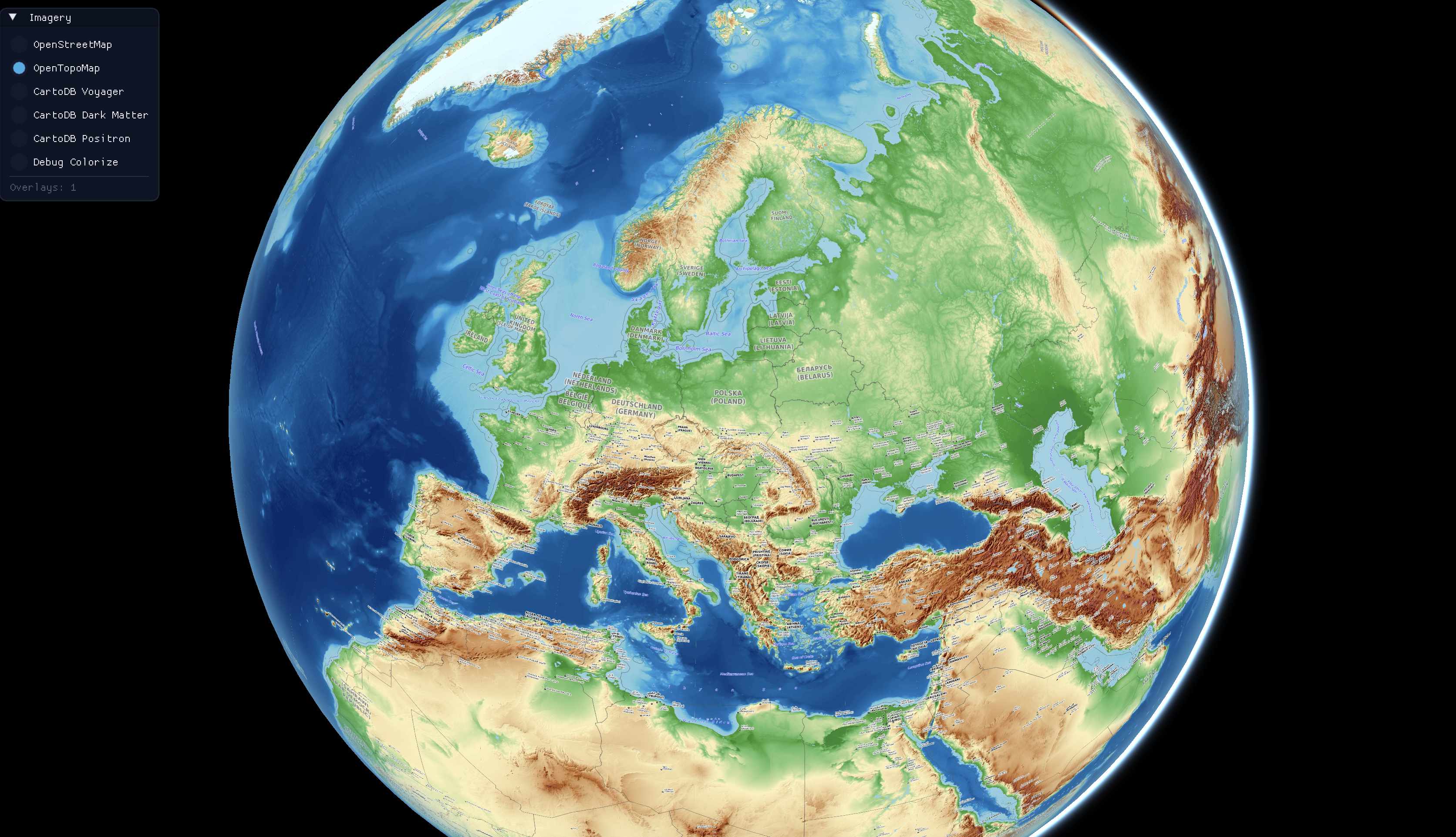
Geospatial integration and cross-platform GPU backends are future research directions.
THE NEXT PERSPECTIVE IS YOURS.